The Difficulties of Residential Geo-Thermal Systems in New England
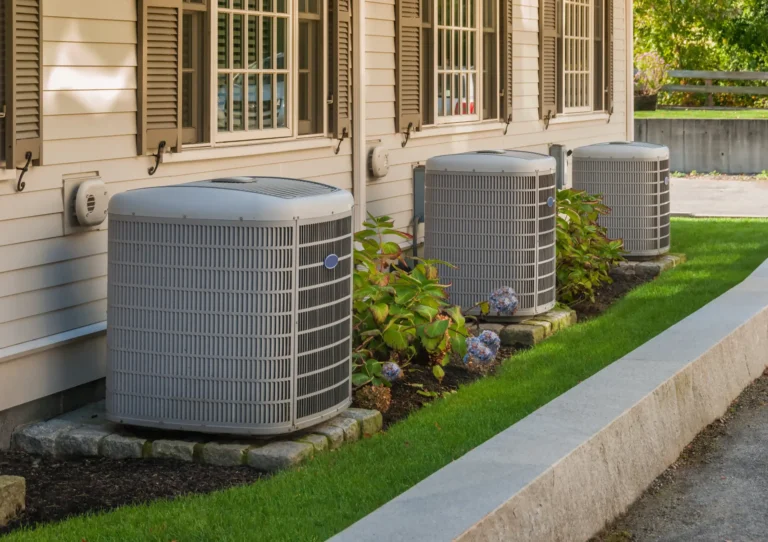
The U.S. Energy Information Administration states that more than half of the energy used in residential homes is directly spent on heating and cooling which means your HVAC system has the largest carbon footprint in your home. Traditional heating & cooling units heat the air it takes from outside by burning fossil fuels in a furnace or boiler or cools the air down in an air conditioning unit before it is distributed throughout the house. Geo-Thermal heating and cooling systems have been around since the late 1940’s but many homeowners do not choose this option when thinking of their heating and cooling system for various reasons.
Geothermal heat pumps use the earth’s constant temperature 4-8 feet below the ground to exchange heat from the ground to your home or in the summer to send warm air from inside to the ground outside to cool your home. In comparison to a regular air source heat pump they are more quite, last longer and need little maintenance. However, a homeowner’s hesitation usually comes when they research the initial installation process which can run several times more expensive than an air source heat pump.
There are three types of loop systems for geothermal energy. Vertical where the pipes are buried vertically into the ground in holes as deep as 400ft. Horizontal where the pipes lay in trenches that are about 4-6 ft deep. Lastly, the well water system where two boreholes are drilled deep into the ground. One hole is the source of the water and the other is the injection well. The most common method in New England is the vertical loop method since the soil is full of large rocks and thick tree roots. This method also causes the least disruption to the landscaping, however, it is the most expensive to install due to the equipment needed for drilling and the expertise required for proper installation.
Since we are in New England, Wilson Brother has the most experience with the vertical loop geothermal energy method which starts with a soil condition assessment to see how much digging and drilling is needed and to make sure it is possible to install the geothermal heat pump system on the lot. This may be where the bus stops but if you get the green light, you can begin the installation process.
Now the excavation process begins drilling deep down to create holes 6-8 inches in diameter around 200-500 feet deep for the pipes. Once the drilling is done, the pipe needs to be placed in the holes in a U-shape and filled with grout which helps with thermal conductivity eliminating air. A 5ft trench is dug back to your home and the unit is connected to the inside heat pump. This all may seem like it could take weeks to finish, however, the process can be done in a week depending on the amount of drilling needed. Once the geothermal system is all set-up, you can start to enjoy lower energy bills and it is estimated that the initial cost will be returned within 5 – 10 years. There are even more pollution benefits like the reduction of noise pollution since you won’t need an outside unit and cleaner indoor air quality that will reduce humidity which will keep you feeling comfortable and cozy in your home all year long.
Source: https://www.pmmag.com/articles/103308-geothermal-the-model-of-environmentally-friendly
Do you sometimes feel as though you are living in the middle of a swamp? Does your hair frizz to the point of looking like a hornet’s nest of entangled curls?
More than the number on your thermostat, the combination of heat and humidity can determine your comfort … or in the case of high humidity … your discomfort in the summer.
Air quality can suffer in many ways. High humidity is that clammy feeling on your skin that remains even when the temperature of the room is appreciably lower. Left unchecked, high humidity leads to moisture buildup that can create problems within the home, including stale air and musty odors, warped wood, peeling paint and mold. Daily activities, such as cooking, cleaning and showering can add as much as 25 pounds of moisture to your home.
In addition, your home can become a breeding ground for insects. Dust mites thrive and mold and mildew grow, which can trigger asthma and allergies
Another sign that a whole-house dehumidifier may be needed is when your air conditioner is struggling to create sufficient cool air.
Dehumidifiers range in size from portable, one-room units to whole-home solutions that tie into the home’s HVAC system. A portable dehumidifier may do the trick, but installing a whole house dehumidifier integrates directly with home heating system so that all the indoor air is dehumidified. The moisture that is removed from the air empties into a drain pipe to a sump pump, utility sink or to the outdoors.
Select a dehumidifier that can hold ten pints of water for a 500 sq.ft space. Add four pints of capacity for every additional 500 sq.ft. If you wish to dehumidify a 1,000-square-foot basement, you’d need a unit with a 14-pint capacity.
Be certain your dehumidifier is Energy Star-certified. These units use about 15% less energy than conventional units. That means a savings of about $175 over the life of the dehumidifier and avoids roughly 2,800 pounds’ worth of greenhouse gas emissions.
Dehumidifiers improve indoor air quality by providing a continuous flow of fresh, dry air in the home. This results in an energy-efficient solution and keeps mold growth at bay all season long.
A whole-home dehumidifier from Aprilaire automatically extracts the right amount of humidity from the home. The Aprilaire Wi-Fi Thermostat provides simple, automatic control of excess moisture which allows for better monitoring and control of humidity. The system is quiet and requires just a simple annual filter cleaning to keep it well-maintained. If you are fortunate enough to have a Mitsubishi ductless heat pump system, then you have a dehumidifying mode option which will reduce moisture and add comfort.
Call Wilson Brothers today at 978-433-5373 to learn more about Aprilaire whole-home humidifiers and Mitsubishi Heat Pump Systems. Visit our website to find out how dehumidification means comfortable and healthy indoor air.
Winter is over and while you may not be ready to shut off your heating system for the year - May snowstorms do happen in Massachusetts - you should start making plans for the warm summer months by cleaning your HVAC system before you need to run it.
Regular maintenance will extend the lifespan of an HVAC system and save money. Over time, filters collect debris and the system will have to work harder to move air through the clogged filter. This wastes energy - energy that the homeowner will have to pay for - and may harm efficiency by as much as 25%. It also makes the system work harder, which can harm the system in the long run.
Unless a homeowner knows exactly what they are doing, they should consider having one of our technicians come in and perform an annual maintenance checkup. This can include some services that require special equipment, such as testing the system for air leaks that allow cool air to escape and drive down the system’s efficiency. Annual checkups are include in our VIP program, along with discounts and priority positioning for our 24 hour repair service.
Indoor air quality filters and the filters in dehumidifiers will also need to be checked as part of a spring cleaning course. This will maximize comfort within the home and help any residents or visitors with allergies. It can also help the system run as quietly as possible by keeping the system well lubricated and running with as little effort as needed.
By focusing on the annual clean up in the spring, homeowners can ensure their HVAC system will be ready to keep their home cool and comfortable by the time June rolls around. It will also keep the HVAC system running for as many years as possible while cutting down on energy costs.
Everyone in New England can remember beating a cold night by cranking up the heat, blissfully falling asleep in a toasty-warm room, only to wake up with a face so dry they fear it will crack.
Winter dryness can lead to nose bleeds, skin problems, sore throats, itchiness and other health issues in inhabitants. Your flesh isn’t the only thing at risk from dryness either, the low humidity can warp wood and cause paint to peel or discolor. The dryness can also crisp houseplants and damage antiques and old photographs.
The HVAC isn’t the only source of winter dryness; the outdoor air is noticeably drier when most moisture if frozen solid, but your HVAC system can help you solve the winter dryness by incorporating a humidifier system.
We recommend, and install, both the Automatic Humidifier from Aprilaire and the TrueSTEAM Humidification System from Honeywell. (1) Both of these systems are far superior to old fashioned humidifiers, where homeowners had to lug water to the machine and guess where to set the manual controls to meet their moisture needs.
The new systems can detect your home’s humidity, fill up with water automatically and release it through the entire house.
You can give up the guesswork needed for old fashioned freestanding humidifiers, which could result in over humidifying ones home, with a modern automatic system. The best part is you won’t wake up reaching for the moisturizer again.
If you’re one of the millions of Americans with sleep problems, you might be able to get a better night’s sleep by adjusting your HVAC system.
Sleep experts generally agree that a bedroom temperature of 65 degrees allows most people to get a good night’s sleep, but every individual has their own variations and neds. Try moving your gauges around a few degrees at a time and see if you sleep any better.
If you have a programmable thermostat installed, your HVAC system can raise and lower the temperature as you need it. Picture this: The house stays cool during the night to help people sleep better, but warms up in the morning while adults get ready for work and kids get ready for school. Then, the temperature falls while the house is empty, only to warm back up again by the time everyone returns for the evening.
Your HVAC system can do all of that, trimming down on your energy bill and helping you get a more complete, refreshing night of sleep.
Most people know the importance of installing carbon monoxide detectors in the home, but this advice bears repeating. Carbon monoxide (CO) is an invisible, odorless gas and it can kill.
Its deadly work can be through gradual exposure over time or a sudden, buildup of CO in a small, poorly ventilated room. Usually, defective combustion heating equipment is the source, although other potential causes can occur any time of year.
Just as important, be sure to test your CO detectors monthly to make sure they are still operational. Change the batteries every six months when you change the clocks for daylight savings time in early spring and late fall.
Remember that even hard-wired models have battery backups. Press the “test” button for two to three seconds. When the alarm beep sounds, release the button. If there is no beep, replace the batteries and test again. If it still doesn’t sound an alarm, replace the unit.
People who have lived in older houses have all experienced the mid-winter chill that comes from stepping barefoot on the cold floor of a bathroom during the middle of the night. Hot air rises and the hard tile floors can be the hardest spot to warm up during a January night.
That’s where radiant floor heating packs the biggest wallop. We install water pipes under the floorboards or tile floor that is connected to a boiler. The water carries the heat through the pipes and it heats up the floor itself. We recommend using it with hardwoods or ceramic tiles, as those materials will retain the heat.
The beauty of the system is that the heat stays low where people need it the most, as opposed to other heating systems that mostly heat the air. Unlike other heating systems, there’s no hot stove or radiator that could burn a person, and people with allergies don’t have to worry about pollen or other allergens being distributed into the air.
Radiant floor heating can be installed in any room, but it’s much more economical to place it in new homes and expansions, as opposes to tearing up floors to retrofit existing rooms. Any covering that insulates the floor, such as a thick carpet, would lower the efficiency of the heating system, so floor options are limited.
But if you’ve taken one too many steps on cold tiles, or found yourself huddling close to the stove, consider the heating system that tackles your heating needs from the bottom up.
Christmas parties and holiday gathers are annual features of December, but so are snow, ice and cold air. Make sure the next December party you throw is warm enough for people to take their jackets off and get in the holiday spirit.
Before you even start planning the party you should check the insulation of your home to minimize any heat loss. Do you have weatherstripping in your doors and windows? Did you insulate your power outlets and light switches to cut down on drafts?
Also, try to minimize how long the front door is open when guests arrive, otherwise making it harder for your heating system to work. The larger the gathering, the more the door will open.
Use a smart thermostat to control your heating system. With all the distractions and responsibilities demanded of a party host it’s easy to forget to adjust the heat in time for the party, or you may want to make it a little warmer indoors to account for people coming and going, then level it off as the party winds down. If you have a heating system that doesn’t use a thermostat you can dub a volunteer to be in charge of maintaining the temperature.
Encourage your guests to dress warmly. While you can simply tell them that they should dress for December, it’s a lot more fun to ask people to wear obnoxious Christmas sweaters. You can also put the food and any activities in the same room as the heating source.
Lastly, try serving hot chocolate, mulled cider or peppermint tea or any other food or drink that will warm people up on the inside. Use a slow cooker or electric kettle to keep things warm all evening.
New England has had it's fair share of tough weather over the last few years. During the variety of hurricanes, nor'easters and blizzards, you may have found yourself without power for a long period of time. Here are a few reasons to invest in a generator for your home you may have not thought of.
Keep your furnace running in the cold weather or AC on in the summer. This will prevent pipes from freezing and keep your family, and pets comfortable.
Provide you with hot water heating.
Keep your sump pump system running.
Keep your stove running so you can cook and your refrigerator on so your food will keep.
Keep your alarm system on.
Provide power for computers, wi-fi and communications.
Continue to provide power for medical equipment.
How the Generac Standby Generator works:
When you experience a power outage in your home, your generac generator will detect there is a problem. Within seconds, it will automatically turn on and provide your home with power until the utility is restored, whether it’s 2 hours or 2 weeks.
This works even if you’re not home so you can have peace of mind while you’re at work or away on vacation.
Our Generac Generators also run off of propane or natural gas, which makes it easier to maintain as no manual fueling is necessary.
You can have a generator power your entire home or you can run it for specific appliances. We’ll install your electrical hook up so there’s no need to run extension cords and hope that you have it done correctly.
With the variety of weather we experience all year long in New England, a generator is a worthwhile investment for your home.
Standby generators are also a good investment for your home's resale value, in addition to saving you money during power outages.
Save up to $200 on a Generac Home Stand-by Generator
Allergy sufferers can tell the exciting days of summer are almost over each year when they first step outside and start to sneeze or feel their eyes burn. Fall allergies, brought on by the increased pollen and mold spores in the air, cause havoc to 35 million Americans each year and without appropriate steps the suffering will continue inside their own homes.
That’s why we sell and install indoor air quality systems, so one’s house can be an oasis of relief from fall allergies. Our systems are silent and can be connected directly to the home’s central heating or cooling system to prevent pollen and other unwanted particles from entering. They can be programed it to work continuously or only at certain times.But as helpful as all of that is, it’s not a complete approach to ending indoor allergy problems. Homeowners still need to make small efforts to keep their indoor air quality high, just as owners of a welcome mat still need people to take muddy boots off before they enter.Both the Environmental Protection Agency and American Lung Association recommend indoor air filters for people with allergies or asthma. The EPA also recommends some additional steps to maintain top-notch indoor air quality:*Choosing hard flooring over carpeting to give allergens fewer pockets to inhabit.*Use outdoor-venting fans in the kitchen and bathroom.*Keep pets out of bedrooms and outside as often as possible.*Ban all indoor smoking.*Keep heating and cooling systems maintained.An indoor air quality system does a great job of filtering air coming into the building and moving throughout it, but the result will be much better if air pollutants have no indoor sources or places to hide.
Looking to Save on Your Next HVAC Service?
Check out our current specials for exclusive deals on heating and cooling services!

 In addition, your home can become a breeding ground for insects. Dust mites thrive and mold and mildew grow, which can trigger asthma and allergies
Another sign that a whole-house dehumidifier may be needed is when your air conditioner is struggling to create sufficient cool air.
Dehumidifiers range in size from portable, one-room units to whole-home solutions that tie into the home’s HVAC system. A portable dehumidifier may do the trick, but installing a whole house dehumidifier integrates directly with home heating system so that all the indoor air is dehumidified. The moisture that is removed from the air empties into a drain pipe to a sump pump, utility sink or to the outdoors.
Select a dehumidifier that can hold ten pints of water for a 500 sq.ft space. Add four pints of capacity for every additional 500 sq.ft. If you wish to dehumidify a 1,000-square-foot basement, you’d need a unit with a 14-pint capacity.
Be certain your dehumidifier is Energy Star-certified. These units use about 15% less energy than conventional units. That means a savings of about $175 over the life of the dehumidifier and avoids roughly 2,800 pounds’ worth of greenhouse gas emissions.
Dehumidifiers improve indoor air quality by providing a continuous flow of fresh, dry air in the home. This results in an energy-efficient solution and keeps mold growth at bay all season long.
A whole-home dehumidifier from Aprilaire automatically extracts the right amount of humidity from the home. The Aprilaire Wi-Fi Thermostat provides simple, automatic control of excess moisture which allows for better monitoring and control of humidity. The system is quiet and requires just a simple annual filter cleaning to keep it well-maintained. If you are fortunate enough to have a Mitsubishi ductless heat pump system, then you have a dehumidifying mode option which will reduce moisture and add comfort.
Call Wilson Brothers today at 978-433-5373 to learn more about Aprilaire whole-home humidifiers and Mitsubishi Heat Pump Systems. Visit our website to find out how dehumidification means comfortable and healthy indoor air.
In addition, your home can become a breeding ground for insects. Dust mites thrive and mold and mildew grow, which can trigger asthma and allergies
Another sign that a whole-house dehumidifier may be needed is when your air conditioner is struggling to create sufficient cool air.
Dehumidifiers range in size from portable, one-room units to whole-home solutions that tie into the home’s HVAC system. A portable dehumidifier may do the trick, but installing a whole house dehumidifier integrates directly with home heating system so that all the indoor air is dehumidified. The moisture that is removed from the air empties into a drain pipe to a sump pump, utility sink or to the outdoors.
Select a dehumidifier that can hold ten pints of water for a 500 sq.ft space. Add four pints of capacity for every additional 500 sq.ft. If you wish to dehumidify a 1,000-square-foot basement, you’d need a unit with a 14-pint capacity.
Be certain your dehumidifier is Energy Star-certified. These units use about 15% less energy than conventional units. That means a savings of about $175 over the life of the dehumidifier and avoids roughly 2,800 pounds’ worth of greenhouse gas emissions.
Dehumidifiers improve indoor air quality by providing a continuous flow of fresh, dry air in the home. This results in an energy-efficient solution and keeps mold growth at bay all season long.
A whole-home dehumidifier from Aprilaire automatically extracts the right amount of humidity from the home. The Aprilaire Wi-Fi Thermostat provides simple, automatic control of excess moisture which allows for better monitoring and control of humidity. The system is quiet and requires just a simple annual filter cleaning to keep it well-maintained. If you are fortunate enough to have a Mitsubishi ductless heat pump system, then you have a dehumidifying mode option which will reduce moisture and add comfort.
Call Wilson Brothers today at 978-433-5373 to learn more about Aprilaire whole-home humidifiers and Mitsubishi Heat Pump Systems. Visit our website to find out how dehumidification means comfortable and healthy indoor air.
