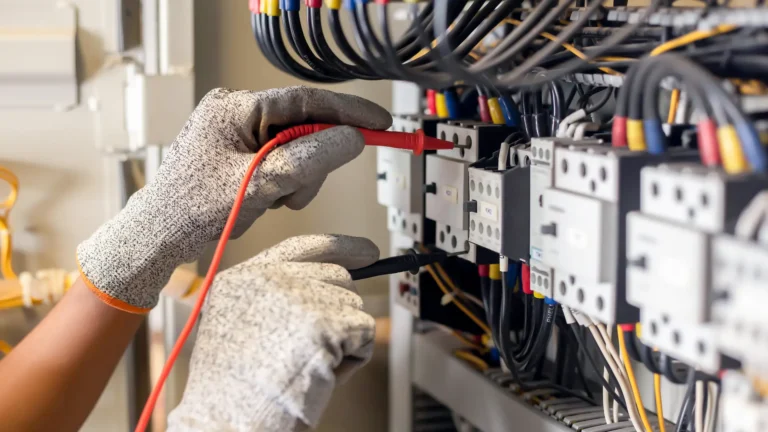

Electrical Installation Services in Harvard, MA
When you’re planning electrical installation for your home in Harvard, MA, understanding the complexity and importance of professional electrical work becomes essential for ensuring safety, efficiency, and long-term reliability. At Wilson Brothers Heating, Air Conditioning, and Electrical, we provide comprehensive electrical installation services that integrate seamlessly with your heating and cooling systems, creating a unified approach to your home’s comfort infrastructure. Our extensive experience serving residential homes in Northern Massachusetts and Southern New Hampshire has given us unique insights into the specific electrical demands of homes in Harvard and surrounding communities.
Modern homes require sophisticated electrical systems that can handle increasing power demands while maintaining safety standards and energy efficiency. From installing new circuit panels to wiring for advanced HVAC equipment, electrical installation encompasses a wide range of services that directly impact your home’s functionality and comfort levels. Our approach combines traditional electrical expertise with cutting-edge technology to deliver installations that meet both current needs and future expansion possibilities.
Understanding Electrical Load Requirements for HVAC Systems
The relationship between electrical systems and heating and cooling equipment represents one of the most critical aspects of home infrastructure planning. Modern furnaces, air conditioners, and heat pumps require specific electrical configurations to operate at peak efficiency, and proper installation ensures these systems deliver the comfort you can count on throughout the year. In Harvard’s variable climate, where temperatures can swing from below freezing in winter to humid heat in summer, your electrical system must support robust HVAC operations without strain or interruption.
Calculating proper electrical loads involves analyzing multiple factors including square footage, insulation quality, number of occupants, and the specific equipment being installed. For instance, a high-efficiency heat pump system typically requires a dedicated 240-volt circuit with appropriate amperage based on the unit’s tonnage and SEER rating. Variable-speed air handlers and modulating furnaces add another layer of complexity, requiring electrical installations that can accommodate varying power draws while maintaining consistent performance. We ensure every installation meets or exceeds National Electrical Code requirements while optimizing for Massachusetts state regulations and local Harvard building codes.
Circuit Panel Upgrades and Expansion
Many homes in Harvard were built decades ago when electrical demands were significantly lower than today’s standards. These older homes often feature 100-amp or even 60-amp main panels that struggle to support modern appliances, HVAC systems, and electronic devices. Upgrading to a 200-amp panel opens possibilities for adding central air conditioning, electric vehicle charging stations, or converting from oil heating to efficient electric heat pump systems. The upgrade process involves coordinating with local utility companies, obtaining proper permits, and ensuring all work meets inspection requirements.
Panel expansion goes beyond simply increasing capacity; it involves strategic planning for circuit distribution, implementing arc-fault circuit interrupters where required, and installing ground-fault circuit interrupters in appropriate locations. We organize circuits logically, labeling each breaker clearly and providing documentation that helps homeowners understand their electrical system layout. This attention to detail proves invaluable during maintenance or when planning future additions to your home’s electrical infrastructure.
Wiring Installation for Heating and Cooling Equipment
Installing wiring for HVAC equipment demands precision and adherence to manufacturer specifications to ensure warranty compliance and optimal performance. Each component in a heating and cooling system requires specific wire gauges, circuit protection, and connection methods. For example, condensing units for air conditioning systems need weather-resistant wiring and disconnect boxes positioned according to code requirements, while indoor air handlers require proper grounding and surge protection to prevent damage from power fluctuations.
The integration of smart thermostats and zoning systems adds complexity to electrical installations, requiring low-voltage wiring runs that must be separated from high-voltage lines to prevent interference. We carefully route these control wires through walls and ceilings, maintaining proper separation distances and using appropriate conduits where necessary. Communication wiring between outdoor and indoor units enables advanced features like variable-speed operation and diagnostic capabilities, enhancing system efficiency and simplifying troubleshooting when service becomes necessary.
Key Components of Professional Electrical Installation
Professional electrical installation encompasses numerous critical elements that work together to create a safe, efficient system:
- Load calculations and system design: Determining proper wire sizes, breaker ratings, and circuit layouts based on actual power requirements
- Grounding and bonding systems: Establishing proper earth connections and equipment bonds to prevent electrical hazards
- Surge protection devices: Installing whole-house and equipment-specific surge suppressors to protect sensitive electronics
- Dedicated circuits for major appliances: Providing separate circuits for furnaces, air conditioners, and other high-draw equipment
- Code-compliant installations: Meeting all national, state, and local electrical codes for safety and insurance requirements
Integration with Energy-Efficient Systems
As we install energy-efficient heating and cooling equipment backed by our exclusive warranties, proper electrical installation becomes crucial for achieving promised efficiency ratings. Variable-frequency drives, electronically commutated motors, and inverter-driven compressors all require clean, stable power to function correctly. Installing appropriate electrical infrastructure ensures these advanced components operate within specifications, delivering the energy savings and comfort improvements homeowners expect from modern HVAC systems.
The trend toward electrification in Harvard homes reflects growing awareness of environmental concerns and rising fossil fuel costs. Heat pump technology has advanced significantly, offering efficient heating even in cold climates like Massachusetts. However, transitioning from gas or oil heating to electric heat pumps often requires substantial electrical work, including service upgrades, new circuit installations, and potentially coordination with utility companies for increased service capacity. Together as a team, we are committed to delivering exceptional customer service throughout this transition process, ensuring every aspect of the installation meets your expectations.
Safety Considerations and Code Compliance
Electrical safety remains paramount in every installation we perform. Harvard’s local codes, combined with Massachusetts state requirements and National Electrical Code standards, create a comprehensive framework for safe electrical installations. These regulations cover everything from minimum wire sizes and maximum circuit lengths to required clearances around equipment and proper labeling requirements. Compliance isn’t just about passing inspections; it’s about protecting your family and property from electrical hazards while ensuring your insurance coverage remains valid.
Modern electrical installations incorporate multiple safety features including arc-fault protection, ground-fault protection, and proper overcurrent protection devices. These systems work together to detect and interrupt dangerous conditions before they cause fires or injuries. Regular testing and documentation of these safety systems ensure continued protection throughout your electrical system’s service life. When integrated with heating and cooling installations, these safety measures extend to include equipment-specific protections like float switches for condensate management and high-temperature limit switches for furnace operation.
Whether you’re building a new home in Harvard, upgrading existing electrical systems, or adding new heating and cooling equipment, professional electrical installation provides the foundation for reliable, efficient operation. Our comprehensive approach addresses both immediate needs and future expansion possibilities, ensuring your home’s electrical infrastructure supports the service you can trust for years to come.
