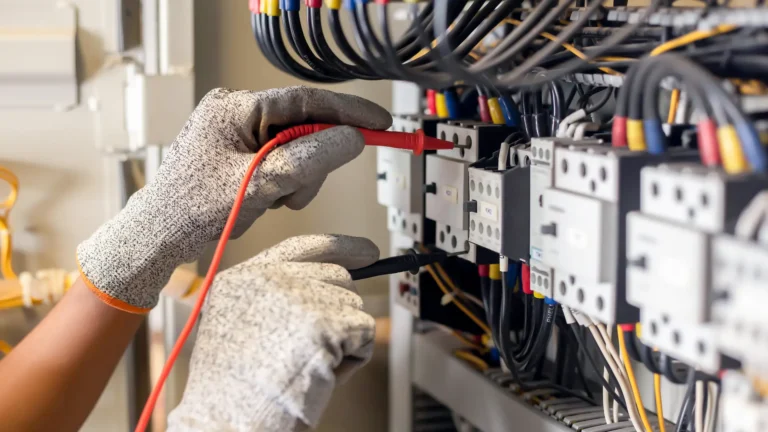

Professional Electrical Installation Services in Ayer, MA
Electrical installation forms the backbone of every modern HVAC system, and at Wilson Brothers Heating, Air Conditioning, and Electrical, we understand that proper electrical work is essential for the safe and efficient operation of heating and cooling equipment. Our comprehensive electrical installation services in Ayer support both residential heating systems and air conditioning units, ensuring that every component receives the appropriate power supply and operates within manufacturer specifications. We have been the area’s first choice for the installation and repair of heating and cooling systems for residential homes in Northern Massachusetts and Southern New Hampshire, bringing extensive experience to every electrical project we undertake.
The integration of electrical systems with HVAC equipment requires specialized knowledge that goes beyond traditional electrical work. Our technicians possess dual expertise in both electrical systems and HVAC technology, allowing us to properly size circuits, install appropriate disconnects, and configure control wiring that optimizes system performance. This specialized approach ensures that furnaces, air conditioners, heat pumps, and other climate control equipment operate reliably while maintaining the highest safety standards throughout your home.
Essential Components of HVAC Electrical Installation
Every heating and cooling system relies on multiple electrical components working in harmony to deliver consistent comfort throughout your home. The electrical installation process begins with evaluating your home’s existing electrical panel to determine if it can accommodate the additional load requirements of new HVAC equipment. Modern high-efficiency furnaces and air conditioning systems often require dedicated circuits ranging from 15 to 60 amperes, depending on the equipment capacity and configuration. We carefully calculate the total electrical load, considering factors such as equipment startup surge, continuous operating current, and any auxiliary components like humidifiers or air purification systems.
Circuit breakers specifically rated for HVAC equipment provide critical overcurrent protection, preventing damage to expensive components while ensuring safe operation. We install properly sized conductors that meet National Electrical Code requirements, using copper wiring rated for the temperature conditions typically encountered in HVAC applications. The installation includes weatherproof disconnects located within sight of outdoor units, providing a safe means for service technicians to isolate equipment during maintenance. Control voltage transformers step down standard 120-volt or 240-volt power to the 24-volt control circuits that operate thermostats, zone dampers, and safety switches throughout the system.
Technical Specifications and Code Compliance
Massachusetts electrical code requirements mandate specific installation practices for HVAC electrical systems that ensure both safety and reliability. All electrical installations must comply with the National Electrical Code as adopted by the Commonwealth, which includes provisions for conductor sizing, overcurrent protection, grounding, and equipment disconnecting means. We meticulously follow these codes while installing electrical systems for heating and cooling equipment, understanding that proper compliance protects both your investment and your family’s safety.
Wire gauge selection depends on multiple factors including circuit length, ambient temperature, and the specific current requirements of the installed equipment. For typical residential air conditioning installations in Ayer, we commonly use 10 AWG copper conductors for units requiring 30-amp circuits, while larger capacity systems may require 6 AWG conductors for 50-amp circuits. The voltage drop across these conductors must remain below three percent to ensure efficient equipment operation and prevent premature component failure. Grounding conductors sized according to overcurrent device ratings provide essential safety protection, creating a low-impedance path for fault currents that triggers circuit breaker operation during equipment malfunctions.
Integration with Modern HVAC Controls
Today’s sophisticated heating and cooling systems incorporate advanced control strategies that require precise electrical installation techniques. Variable-speed motors found in high-efficiency furnaces and air handlers use electronic commutation that demands clean, stable power supplies free from voltage fluctuations and harmonic distortion. We install appropriate surge protection devices that shield sensitive electronic components from voltage spikes caused by lightning strikes or utility switching operations, extending equipment life while preventing unexpected failures.
Smart thermostats and zoning systems require dedicated transformer circuits with sufficient capacity to power multiple zone dampers, relay boards, and communication modules simultaneously. The low-voltage wiring connecting these components follows specific color-coding conventions that ensure proper system operation and simplify future troubleshooting. We carefully route control wiring away from high-voltage conductors to prevent electromagnetic interference that could disrupt communication between system components. Together as a team, we are committed to delivering exceptional customer service along with our highest-rated, energy-efficient heating and cooling equipment all backed by our exclusive warranties and service for Comfort+Plus Members.
Safety Considerations and Best Practices
Electrical safety remains paramount throughout every installation we perform, protecting both our technicians and your family from potential hazards. Before beginning any electrical work, we verify proper circuit isolation using calibrated testing equipment, ensuring zero energy conditions that allow safe installation procedures. Lock-out tag-out procedures prevent inadvertent circuit energization during installation, while ground-fault circuit interrupters provide additional protection in areas where moisture exposure presents increased shock hazards.
- Proper conductor termination: We use specified torque values when securing electrical connections, preventing loose connections that cause overheating and potential fire hazards
- Appropriate enclosure selection: Indoor and outdoor electrical components require different NEMA-rated enclosures that protect against environmental conditions specific to each location
- Systematic testing procedures: After installation completion, we perform comprehensive testing including insulation resistance measurements, ground fault verification, and operational testing under various load conditions
Arc-fault circuit interrupters now required in many residential applications provide enhanced fire protection by detecting dangerous arcing conditions that standard circuit breakers might not recognize. These devices prove particularly important in HVAC applications where vibration from operating equipment could potentially cause conductor damage over time. We ensure all safety devices function properly through systematic testing procedures that verify both initial operation and long-term reliability. Our commitment to safety extends beyond code compliance, incorporating industry best practices that maximize protection while ensuring dependable system operation throughout the equipment lifecycle. This comprehensive approach to electrical installation provides the foundation for reliable heating and cooling systems that deliver consistent comfort year after year.
