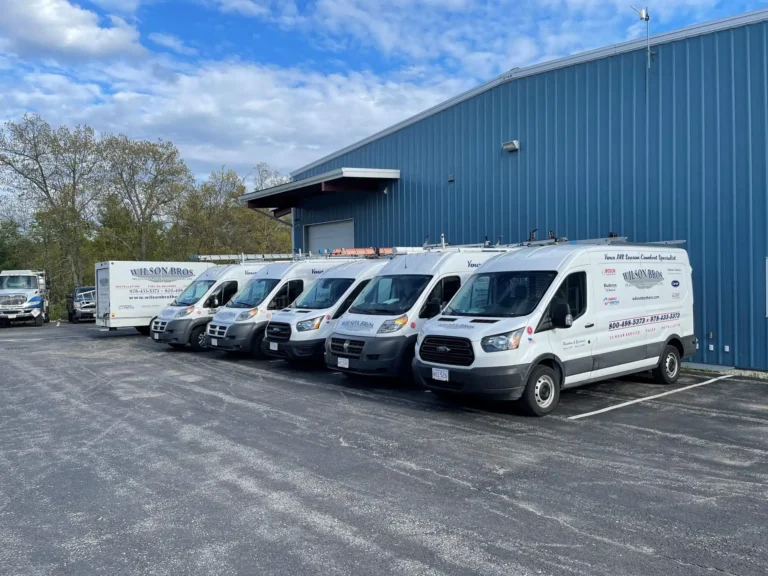
3 Great Ways in Which a Plumber Can Bring Your Basement Up to Date
How to Bring Your Basement Up to Date
Deciding what to do with your basement to repurpose it is a complex decision. It involves decision-making and careful planning. However, not doing anything with it would be a waste of perfectly usable home space. Even though you might not have considered this as an option yet, the best person to help you update your basement is a plumber. Here are three great ways in which a plumber can bring your basement up to date.1. Fix Your Pipes and Sewer Line
The main indication that there’s a problem with the plumbing of a home is the presence of sewer smell. The presence of this odor usually indicates either a leak or a cracked pipe somewhere in the house. Living with sewer smell is unpleasant, to say the least, thus making it a problem in need of urgent resolving. The first important change that a plumber can make to your basement is fixing your pipes and sewer line, and thus getting rid of sewer smell. For most homes, the key plumbing is generally located in the lower parts of the house, and thus tweaking it to remove any flaws involves a lot of basement work.2. Add a Handy Basement Bathroom
Basement bathrooms are becoming more and more popular recently. Although installing one is a bit harder than it would be a for an above-ground facility, a basement bathroom is still a great addition to any home. But just how much handiwork does this process need? Well, according to HGTV, any plumbing that entails digging underneath the foundation is best performed by a professional. If you’re lucky and you have a home built above the sewer line, a basement bathroom can be executed as any other regular one. However, some homes have basements located directly underneath the sewer lines. For this kind of situation, all the plumbing must be done upwards. Whatever the case might be, an expert is the most suited to perform this type of plumbing. What is more, if you have a laundry station in your basement like some homeowners do, then adding a bathroom is the perfect solution to integrate it with the rest of your house. The primary advantage is that it will be less unnerving to visit the basement to do laundry now that the entire space has a clear function.3. Install a Fresh Drainage System
No matter what plumbing-related functionality your basement has or will have, a good floor drainage system is essential. Installing this in your basement means that you are keeping the area dry and preventing sewer smell from forming at the same time. And if you already have a typical basement floor drain, then you already know how prone it is to clogging. A good plumber can also help you with the upkeep of your drainage system so that the area underneath your house is in top shape all the time. And if your basement is and smells fresh and clean, then so will the rest of your house.Conclusion
The huge space offered by a basement has the potential to become something amazing and give new purpose to an otherwise forgotten room. A basement bathroom is a great addition to any home. It can offer functionality to that space and even increase the value of your home if you play your cards right. Moreover, your basement could benefit from a bit of upkeep when it comes to plumbing. Sewer smell and other basement odors can propagate through the rest of the house, which can become quite unpleasant. By upgrading the piping and drains down there, you can ensure that not only your basement feels and smells better, but the rest of your house as well.Preparing for a Power Outage
Whether it’s a blizzard, ice storm or even just strong winds, the chance of a power outage goes up significantly during the winter months. It’s important to have a plan in place for situations in which you may face an extended period of time without power. Likewise, even when power does come back on relatively quickly, that doesn’t necessarily mean your furnace will be back up and running right away. Here are a few things you can do in advance to prepare in case you have an issue with your heating system due to either a power outage or a mechanical problem.- Install a backup heating source, such as a standby stove or heater that does not rely on electricity. For example: a propane or natural gas fireplace insert.
- If you have a wood burning stove or fireplace, be sure you’re stocked up on wood and have the chimney or unit serviced and cleaned every fall.
- Invest in a whole-house generator that can be used to run electric heaters if needed.
- Get a battery powered or crank radio so you can listen to instructions or updates. Replace the batteries a couple of times a year.
- Make sure your home is equipped with a working carbon monoxide monitor and replace the batteries every six months.
What to Do During a Power Outage
The next step in preparing is to know how to respond once the power goes out. Here are a few tips to keep in mind:- Verify whether the outage is limited to your home. If the house next door still has power, double check your fuse box or circuit breaker.
- If the outage is widespread, contact your electric supply company.
- Turn off all appliances and electrical equipment and lower the thermostat of your heating system to a minimum. This can help prevent potential damages due to a power surge once the power comes back on.
- Turn off all lights, except one outside and one inside. This will help you and the electric company repair crews to know when power has been restored.
- Avoid opening your fridge or freezer unless completely necessary to preserve your perishable food.
- Never use home generators, camper heating equipment, charcoal grills or gas barbecues indoors. They can produce dangerous carbon monoxide.
- Be careful with candles. Use appropriate holders and never leave lit candles unattended. Always blow out candles before going to bed.
- Tune in to your battery-powered radio for updates on the outage and any instructions from the authorities.
- Make sure you have plenty of blankets on hand and consider dressing in several layers to stay warmer.
- Gather everyone into one room and close the doors to rooms that are not being used to conserve heat.
- Modern oil heating systems can cut annual home heating costs by an average of 30%
- New oil home heating systems boast an efficiency rating as high as 95%
- Replacing an outdated boiler with a high-efficiency oil heating system can save you nearly 50% on fuel
- Today’s high-efficiency boilers require about 80% less electricity to run
So much to love…
In addition to efficiency, the vast majority of the nearly 750,000 Massachusetts heating oil customers also report that they are very satisfied with the service, response time, freedom of choice and maximum comfort they receive from their oil company. When is the last time you heard someone rave about how much they love the gas company?A better experience overall…
Today’s oil heating systems are also much more compact than boiler systems of the past, which means they’re more convenient and are easier to maintain. Additionally, most oil companies offer regular servicing as part of their contracts. This is important; because annual system tune-ups can help you maximize your efficiency. These cleanings, typically performed on an annual basis, help to keep your heating system operating at peak performance and can boost efficiency by up to 10%.Cost savings galore…
Not only does an oil heating system save you money from an energy efficiency standpoint, but the cost of the oil itself is also quite attractive. In 2016, oil prices reached a 13-year low, and while those prices are projected to rise slightly over the next year or two, according to the U.S. Energy Information Administration, they are still expected to remain affordable. What’s more, most oil companies offer programs that can help customers lock in rates so they can save money and stay toasty warm all winter.A choice you can feel good about…
The oil used today in Massachusetts home heating has been expertly formulated so that it burns cleaner. This makes it much better from an environmental standpoint. Yet, it doesn’t mean sacrificing power and comfort. Burning just one gallon of modern heating oil can produce nearly 140,000 Btu’s of heat. The less oil your system has to burn in order to heat your home coupled with cleaner fuel significantly increases energy efficiency levels. In other words, oil is a much more responsible, sustainable heating option. As you can see, when it comes to home heating in Massachusetts, oil is the clear frontrunner. Not only will heating your home with oil help you save money both now and in the future, but it will even help you reduce your impact on the environment. That’s something we can all be happy about. Wilson Brothers is proud to be a full service oil company, serving the Massachusetts home heating needs of countless local homes and businesses. We can assist with everything from installing and setting up your system to ongoing maintenance and home oil delivery. We also offer a variety of delivery and price protection plans to suit any budget. Call us at 978-433-5373 or fill out our estimate form to discuss your needs and receive a free, no-obligation quote. We’d love to help make your cold New England winter warm and comfortable!How can you help?
- DONATE TODAY! No donation is too small! Visit pachoutreach.org to donate using your credit card or PayPal account, or make your donation check out to PACH Outreach, Capital Campaign, and mail to: PACH Outreach, P.O. Box 1247, Pepperell, MA 01463
- Be a sustainer: donate larger sums over a three-year period
- Volunteer
What is PACH
PACH Outreach is a volunteer-led, community based, 501 (c)3 non-profit organization that provides short-term assistance to Pepperell residents during difficult times. PACH, which stands for Pepperell Aid Community to Home, is about neighbors helping neighbors by providing food and other needed resources to help our clients get back on their feet. PACH is the sole food pantry for Pepperell residents and we served hundreds of families and individuals each year. Our clients include senior citizens, veterans, families and disabled residents of our town.PACH's New Home: 66 Hollis Street
Formerly a doctor's office, the building at 66 Hollis Street will be renovated to suit PACH's unique needs. Many local contractors have volunteered to help, but money must be raised to fund the repairs. Monies raised through the Capital Campaign will be used to pay for the building, renovation and sustainability. Donations may be tax deductible. DONATE TODAY! No donations are too small! For more information, visit pachoutreach.org.Experience
First and foremost, you want to make sure the plumber you choose has sufficient on-the-job experience. Ideally, the longer the company has been doing business the better. Additionally, you may want to ask about each candidate’s experience as it relates to your specific needs. For instance, if you’re looking for someone to install new piping, ask about their history performing similar work. Quality plumbers should have a solid background of solving a wide range of problems.Licenses, Insurance and Warranties
Sadly, many of the plumbers you’ll encounter online or through the Yellow Pages will not be properly licensed or adequately protected by insurance. Verifying these credentials is strongly recommended to avoid the risk of having to deal with costly repairs or other issues caused by inexperienced or unqualified contractors. Furthermore, the best plumbing service and install in Northeastern Massachusetts should come backed by warranties so you’ll know that you’re getting quality workmanship you can trust.Pricing
Qualified plumbers are worth the investment, but that doesn’t mean you should have to pay top dollar to have your plumbing needs taken care of. Most reputable companies do their best to set their rates fairly and they’re confident enough in the value of their services that they offer free, no-obligation estimates. By taking advantage of this option, you can compare prices and get an idea of how much a particular job will ultimately cost before proceeding.Satisfied Customers
The mark of a good plumbing company lies in how many satisfied customers they’ve already served. Truth be told, the best plumbing service and install in Northeastern Massachusetts don’t need to invest heavily in advertising. Instead, they rely on word-of-mouth referrals of their existing customers. As such, be sure to check the online reviews to see what others have to say about each candidate you’re considering and don’t be afraid to ask for references.Availability
Another important factor to consider when choosing a plumbing service is their availability. A contractor who only works during business hours won’t be of much use to you if you experience a plumbing emergency on the weekend or in the middle of the night. If you’re looking for the best plumbing service and install in Northeastern Massachusetts, look for a company that provides the peace of mind that comes with 24-hour emergency coverage. Choosing a qualified plumber is an important task. Once you’ve decided which company to go with, start building a relationship as soon as possible – preferably before the need for urgent service is required. That way if and when the time comes, you’ll have the confidence of knowing exactly who to call to get the job done right. If you are in the market for the best plumbing service and install in Northeastern Massachusetts, we encourage you to contact Wilson Brothers today. Having been in business for more than 30 years, we are fully licensed and insured, offer round-the-clock availability and back our service with exclusive warranties. Call us at 978-433-5373 or fill out our estimate form to discuss your needs and receive a free, no-obligation quote.- Frank Massarrelli of Frankco
- Ken Morgan of KRM Carpentry
- F. Robbins Insurance
- Derek Ten Broeck of Ten Broeck Insurance
- Jay Edwards of Granite Financial Partners
- Jim Gmeiner of Gmeiner Law Firm
- Tom Moore of Northern comfort
- Rick Guay of Rick Guay Construction
- Tom Carmichael
- Chris & Terry Woods of Advantage Insurance
- Scott Quinty of Sid Harvey
- Gerry Miele of M&M Supply
- Keith Ackerman of F.W. Webb
- Total Air Supply
- Bay State Financial
- Brown & Brown Insurance
- Granite Group
- Main Street Bank
- Dave Bennett of S.G. Torrice
- Bob Gordon of The Portland Group
- Al Gillis of DCNE
- Keith Garafola of ERA Russell Realty Group
What is Water Treatment for Your Heating System?
The term “preventative” means “intending to serve or ward off harm.” Part of the conditions for a warranty on many new high-efficiency boilers is the continuous maintenance of the water the equipment is using to function. Dirty water equates to broken machines. Most towns and city water supplies have harmful products in them. Much like a clogged artery, raw water that contains impurities and salt can obstruct an entire system. These impurities build up essentially causing a sludge to course through the lines. This can force your HVAC to run with less efficiency, or worse yet, break down completely.What can Cause Your Water Heater to Break Down?
Raw water from the town or a well having high PH can contain impurities, carbon dioxide, and dissolved salt (to name a few of the harsh ones). Water treatment is so critical to proactive heating system maintenance, that many manufacturers include it as a clause in the warranty. If your system breaks and it is found that you did not provide sufficient water treatment, your warranty may not be valid. Additionally, installing a high efficiency, high tech, “A” rated boiler in an old dirty central heating system will reduce the efficiency from the start. Don’t wait to check and treat your home heating system water for high PH and impurities or you may need to call us for the boiler defibulator.How to Prevent Water Damage
The good news is that there is a simple solution. The first step is investigating the water source. Homeowners need to do a water test to know their water condition before they can act accordingly. There are a variety of simple tests we can conduct to help you take a proactive approach:- Run a water test to check the water condition.
- Perform a water flush to remove impurities.
- Install a low-cost water conditioner to keep sludge and scale from building up.
A Proactive Approach
Believe it or not only a small percentage of homeowners do preventative maintenance. Many people simply choose to let their heating and cooling systems go. Damage to a system can easily be caused by harm that could have been prevented, like premature heat exchange failure. Check your heating system for signs of water damage. Sludge also builds up in the baseboard or radiators and the copper piping throughout your home. Overall, a dirty and sluggish heating system uses more gas to heat your home and causes premature damage. All high efficient boiler manufacturers have come to find out the hard way home water conditions have and will cause premature damage. Give us a call to start taking a proactive approach to the problem today. We can come by and test the quality of your water to keep your system up and running efficiently before the weather gets cold. If you have any other questions about water heaters, we’d be happy to help. Give us a call at 978-433-5373 today and we can get you scheduled before the cold creeps in!What are the Signs I May Need Repair?
HVAC systems should have regularly scheduled maintenance at least once a year, but bi-yearly is best for the warm and cold seasons in Middlesex County. If you are in between check-ups and you suspect your unit is not performing properly, there are a few warning signs to look out for.- The furnace or boiler is constantly running
- The system is making strange noises
- Your energy bill seems incredibly high
- Your system is more than a decade old
- The unit is leaking
- The hoses are in disrepair with cracks or leaks
- The external air compressor is damaged
Energy Assessment
If you are still unsure of whether you need a new HVAC system, an energy assessment will help determine just how efficiently your unit is running. A home energy auditor is anyone who can come out and assess how much energy you are using/losing depending on how your home's systems are running. The auditor will look at things like framing, insulation, construction, sealing, and vents. If it is your HVAC system identified as the culprit, one of our trained professionals can come out to assess if you need to repair or replace the unit.Saving Money
In addition to keeping your heating and cooling system totally maintained, there are some other ways in which you can save money. This typically includes choosing the right type of equipment for your budget and environment.The Seasonal Energy Efficiency Ratio
The SEER (seasonal energy efficiency ratio) on an HVAC system will determine the efficiency. The higher the SEER model, the more expensive the equipment is. However, SEER models can also help you save on energy throughout the seasons and are beneficial for a green and sustainable environment.Modulation
The speed at which your HVAC system runs can additionally determine the cost. Also known as modulation, variable speed A/Cs are cheaper to run. The energy used to power the air conditioning changes by the heat inside, so the system keeps an even temperature throughout the house. Hi-velocity systems can rid your house of humidity in minutes.Humidity
Perhaps the biggest culprit of waste, humidity can suck the energy right out of a room. Certain HVAC units are designed to control the levels of humidity to keep your home cooler. Therefore, you're not cranking it up when it's simply too wet in the air. The easiest way to save thousands on your HVAC system is to not allow it to go into disrepair in the first place. Scheduling yearly assessments can help you stay on top of things. If you are still unsure, an energy assessment will tell you exactly where and how you can save additional cash on your home heating and cooling system. Ultimately, it may come down to equipment. If you want to save the most on cost, in the long run, you may have to initially pay more up front. Efficient systems are costlier but they run for longer and at top performance. If you are unsure about how to proceed in saving thousands on your HVAC system., give us a call at 978-433-5373. We can help you brainstorm and send someone out to chat and take a peek. Whether it is a car or a cooling system, everything runs better when it is clean. Your heating and cooling system consists of either a furnace and an AC or a heat pump. There is also an indoor unit (evaporator and blower) and outdoor component (condenser coil and compressor) to take into consideration.
There are a variety of ways to clean the outdoor unit. Make sure you always cut the power before doing anything. Once you remove the top, you can use a hose to clean the fins by spraying from the inside out. You can also purchase fin cleaner from your local hardware store if you want to get into the nitty-gritty. Straightening the fins is another way to spruce up your AC. If you continue to remove debris from the system, it will run efficiently.
Examine the Wiring
While the power is off, it is also critical that you check the connections to your heating and cooling system. In order to inspect the wires and components, remove the access panel on your condensing unit. You want to look for any wires that have melted insulation or look charred or burned.
Additionally, check all electrical connections to make sure they are tight and secure. If you own a meter, you can even test the electrical output to make sure your system is running efficiently. Lastly, check the contactor switch. If there is any pitting, replace that as well.
If, for any reason, you do not feel comfortable replacing these wires, do not attempt to. If you're located in Middlesex County, give us a call us and we can safely inspect your system for you.
Check the Filter
Your AC is moving air through a filter which, over time, builds up dirt. You can clean your filter but eventually, it will need to be replaced. A high-proficiency, pleated air filter is the best on the market and will last longer than normal reusable filters.
In order to locate your filter to clean or replace it, consider the following locations:
Whether it is a car or a cooling system, everything runs better when it is clean. Your heating and cooling system consists of either a furnace and an AC or a heat pump. There is also an indoor unit (evaporator and blower) and outdoor component (condenser coil and compressor) to take into consideration.
There are a variety of ways to clean the outdoor unit. Make sure you always cut the power before doing anything. Once you remove the top, you can use a hose to clean the fins by spraying from the inside out. You can also purchase fin cleaner from your local hardware store if you want to get into the nitty-gritty. Straightening the fins is another way to spruce up your AC. If you continue to remove debris from the system, it will run efficiently.
Examine the Wiring
While the power is off, it is also critical that you check the connections to your heating and cooling system. In order to inspect the wires and components, remove the access panel on your condensing unit. You want to look for any wires that have melted insulation or look charred or burned.
Additionally, check all electrical connections to make sure they are tight and secure. If you own a meter, you can even test the electrical output to make sure your system is running efficiently. Lastly, check the contactor switch. If there is any pitting, replace that as well.
If, for any reason, you do not feel comfortable replacing these wires, do not attempt to. If you're located in Middlesex County, give us a call us and we can safely inspect your system for you.
Check the Filter
Your AC is moving air through a filter which, over time, builds up dirt. You can clean your filter but eventually, it will need to be replaced. A high-proficiency, pleated air filter is the best on the market and will last longer than normal reusable filters.
In order to locate your filter to clean or replace it, consider the following locations:
- Inside the blower compartment of the furnace or air handler.
- In the side, top, or bottom slot of your furnace.
- Behind the return air grille on the wall or ceiling in a central room.
