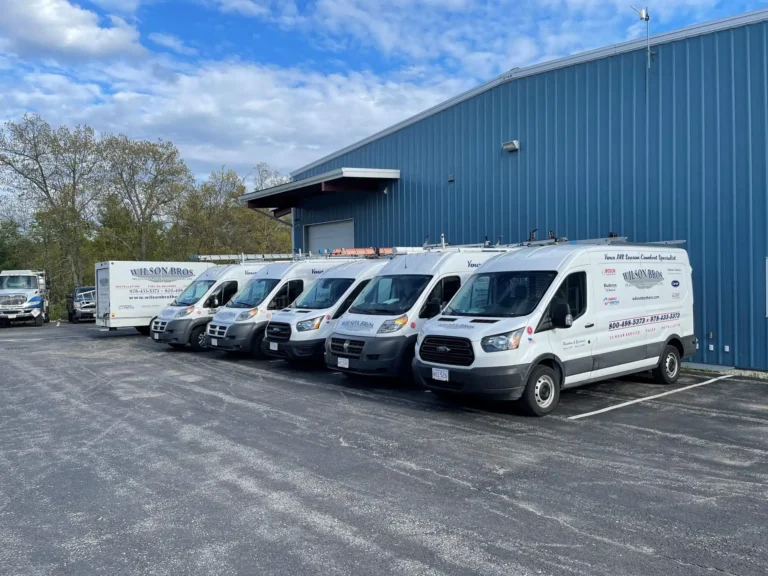

Power Protection for Your Fitchburg Home
When severe weather strikes Massachusetts, losing electricity can transform from an inconvenience into a genuine crisis. At Wilson Brothers Heating, Air Conditioning, and Electrical, we understand that power outages in Fitchburg can disrupt heating systems, cooling equipment, refrigeration, medical devices, and essential home systems. Installing a standby generator provides the ultimate insurance policy against power loss, ensuring your family remains comfortable and safe regardless of grid reliability. Our extensive experience serving Northern Massachusetts and Southern New Hampshire has shown us firsthand how backup power systems have evolved from luxury items to essential home infrastructure.
The increasing frequency of extreme weather events throughout New England has made generator installation a priority for homeowners who value continuity and comfort. Ice storms, nor’easters, hurricanes, and severe thunderstorms regularly test our regional power infrastructure, sometimes leaving residents without electricity for days or even weeks. Modern standby generators automatically detect power outages and activate within seconds, seamlessly transferring your home’s electrical load to the backup system without any manual intervention required.
Generator Types and Technologies Available in Fitchburg
The generator market offers multiple solutions tailored to different needs and budgets. Portable generators represent the entry-level option, typically ranging from 3,000 to 12,000 watts of output capacity. These units require manual setup, connection through transfer switches or interlock devices, and regular refueling during extended outages. While portable generators cost less initially, they demand active management and cannot power entire homes simultaneously. Most portable units run on gasoline, though dual-fuel models accepting propane have gained popularity due to fuel stability advantages.
Standby generators permanently installed beside your home deliver automatic, whole-house power protection. These systems connect directly to natural gas lines or propane tanks, eliminating refueling concerns during extended outages. Standby generators range from 7,500 watts for essential circuit coverage to 48,000 watts or more for complete home backup including air conditioning systems. At Wilson Brothers Heating, Air Conditioning, and Electrical, we specialize in sizing generators appropriately for each home’s unique electrical demands, considering factors like square footage, HVAC equipment specifications, well pumps, and other critical loads.
Professional Installation Process and Requirements
Generator installation involves multiple technical disciplines requiring coordination between electrical, plumbing, and mechanical systems. The process begins with comprehensive load analysis determining your home’s peak electrical demand. We calculate running watts and starting watts for all connected devices, paying special attention to motor-driven equipment like air conditioners and heat pumps that require significant surge capacity during startup. This analysis ensures your generator can handle simultaneous operation of essential systems without overloading.
Site preparation constitutes a critical installation phase often underestimated by homeowners. Generators require level concrete pads or composite bases positioned strategically for optimal airflow, service access, and noise management. Local codes in Fitchburg mandate specific setback distances from property lines, buildings, windows, and air intakes. We navigate these requirements while considering aesthetic concerns and practical factors like proximity to gas meters or propane tanks. Underground gas line installation or propane plumbing connections must meet strict safety standards and pressure specifications.
Maintenance and Service Considerations
Generators require regular maintenance to ensure reliable operation when needed most. Weekly self-test cycles verify basic functionality, while comprehensive annual service addresses deeper mechanical needs. Oil changes typically occur every 100-200 operating hours or annually, whichever comes first. Air filters, spark plugs, and battery systems need periodic replacement following manufacturer schedules. We have been the area’s first choice for the installation and repair of heating and cooling systems for residential homes in Northern Massachusetts and Southern New Hampshire, and this expertise extends naturally to generator maintenance programs.
Coolant systems in liquid-cooled generators require attention to concentration levels and overall condition. Transfer switches need periodic exercise and contact inspection to prevent corrosion or pitting that could compromise automatic operation. Control boards and sensors benefit from firmware updates addressing known issues or adding features. Together as a team, we are committed to delivering exceptional customer service along with our highest-rated, energy-efficient heating and cooling equipment all backed by our exclusive warranties and Comfort+Plus Member benefits.
Integration with HVAC Systems
Generators and HVAC equipment share intimate operational relationships requiring careful coordination. Heating systems, particularly furnaces and boilers, depend entirely on electrical power for ignition, circulation pumps, zone valves, and control systems. Without backup power, even gas-fired heating equipment cannot function, leaving homes vulnerable to freezing temperatures during winter outages. Air conditioning systems present substantial electrical loads that must be carefully managed within generator capacity constraints.
Load management systems intelligently prioritize electrical distribution during generator operation, potentially cycling air conditioning compressors or temporarily reducing capacity to prevent overload conditions. Modern generators communicate with smart thermostats and HVAC controls, optimizing comfort while respecting power limitations. Variable-speed HVAC equipment offers advantages during generator operation through reduced starting current requirements and efficient part-load operation.
Choosing the Right Generator Size
Proper generator sizing balances cost, capacity, and practical requirements. Essential circuit backup typically includes:
- Heating and cooling systems: Furnaces, heat pumps, or central air conditioning
- Kitchen appliances: Refrigerators, freezers, and basic cooking equipment
- Water systems: Well pumps, sump pumps, and water heaters
- Lighting circuits: Strategic coverage throughout living spaces
- Communication devices: Internet equipment, phone systems, and charging stations
Whole-house systems eliminate difficult prioritization decisions by supporting all circuits simultaneously. However, this comprehensive coverage requires larger generators with proportionally higher installation and operating costs. Managed whole-house solutions use automatic load controllers preventing overload by temporarily disconnecting non-critical loads when approaching capacity limits. This approach delivers whole-house convenience using smaller, more economical generators.
Local Market Considerations for Fitchburg Residents
Fitchburg’s weather patterns and infrastructure characteristics influence generator selection and installation decisions. The city experiences approximately 120 days with measurable precipitation annually, including significant snow accumulation requiring careful generator placement for accessibility during winter storms. Regional utility statistics indicate an average of three to five significant outages yearly, with storm-related interruptions potentially lasting several days. These patterns justify generator investments for homeowners prioritizing comfort and convenience.
Natural gas availability throughout much of Fitchburg simplifies fuel logistics for standby generators, eliminating propane delivery concerns during extended outages. However, certain neighborhoods lack gas service, necessitating propane installations with appropriately sized storage tanks. Local permitting requirements mandate professional installation with proper inspections, ensuring safe integration with existing home systems. Wilson Brothers Heating, Air Conditioning, and Electrical maintains strong relationships with area inspectors and utility companies, streamlining approval processes while ensuring complete code compliance throughout Fitchburg and surrounding communities.
