
Understanding Dehumidifiers and Indoor Comfort Control
Managing humidity levels in your home plays a crucial role in maintaining comfort and protecting your property throughout the year. When moisture levels rise above optimal ranges, typically between 30 and 50 percent relative humidity, you’ll notice that indoor spaces feel muggy and uncomfortable even when temperatures are moderate. Dehumidifiers work by drawing warm, moist air across refrigerated coils, causing water vapor to condense into liquid that drains away while returning drier air to your living spaces. This process continuously cycles your indoor air through the system, gradually reducing moisture content until reaching your desired humidity level.
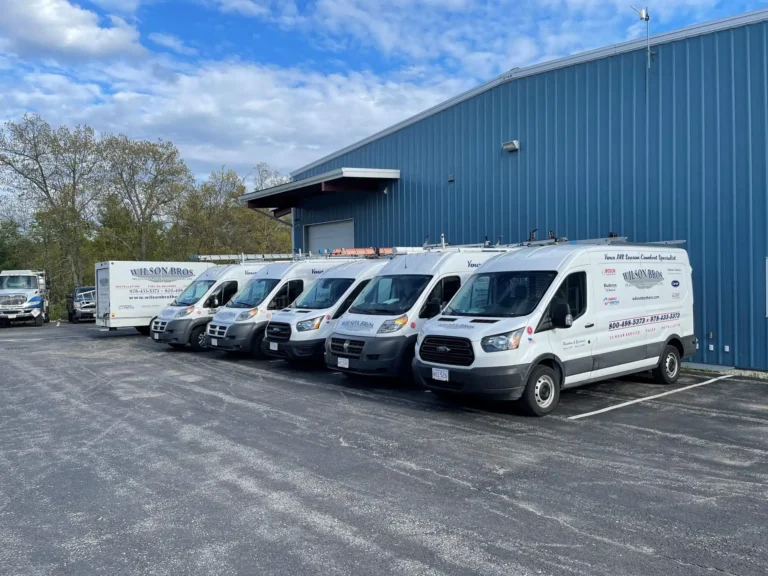
At Wilson Brothers Heating, Air Conditioning, and Electrical, we understand that Northern Massachusetts and Southern New Hampshire experience significant humidity fluctuations throughout the year, particularly during spring and summer months when outdoor moisture levels can exceed 70 percent. Our experience serving residential homes across Pepperell, Groton, Townsend, Dunstable, and Fitchburg has shown us how proper dehumidification dramatically improves indoor air quality and comfort. The technology behind modern dehumidification systems has evolved significantly, incorporating smart sensors, variable-speed fans, and energy-efficient compressors that automatically adjust operation based on current conditions.
How Excess Humidity Affects Your Home and Health
Excessive indoor humidity creates an environment where biological contaminants thrive, including dust mites, mold spores, and bacteria that can trigger allergic reactions and respiratory issues. When relative humidity consistently exceeds 60 percent, wooden furniture, flooring, and structural components absorb moisture, leading to warping, swelling, and eventual deterioration. Paint and wallpaper begin peeling from walls, metal fixtures develop rust and corrosion, and condensation forms on windows and cold surfaces, potentially causing water damage to surrounding materials.
Beyond structural concerns, high humidity makes your air conditioning system work harder to maintain comfortable temperatures, as moist air holds heat more effectively than dry air. This increased workload translates to higher energy bills and accelerated wear on your cooling equipment. We’ve observed that homes without proper dehumidification often experience temperature inconsistencies between rooms, musty odors that persist despite regular cleaning, and visible condensation problems that worsen over time. Installing appropriate dehumidification equipment addresses these issues while creating a healthier living environment for your family.
Types of Dehumidification Systems Available
Portable dehumidifiers offer flexibility for targeting specific problem areas like basements, bathrooms, or laundry rooms where moisture accumulates. These units typically handle spaces up to 4,500 square feet, removing between 30 and 90 pints of water daily depending on capacity and ambient conditions. While convenient for occasional use, portable models require regular emptying of collection tanks unless connected to a drain, and their operation can be noisy in living spaces.
Whole-house dehumidifiers integrate directly with your existing HVAC system, treating all conditioned air that passes through your ductwork. These systems automatically monitor and adjust humidity levels throughout your entire home, operating independently or in conjunction with your heating and cooling equipment. Our installation team specializes in retrofitting these systems into existing ductwork, ensuring optimal airflow patterns and minimal disruption to your current setup. The capacity of whole-house units ranges from 70 to 155 pints per day, with advanced models featuring fresh air ventilation options that introduce filtered outdoor air while maintaining humidity control.
Key Features and Technologies in Modern Dehumidifiers
Today’s dehumidification equipment incorporates sophisticated controls that maximize efficiency while minimizing operating costs. Digital humidistats continuously monitor moisture levels, activating the system only when necessary to maintain your programmed settings. Variable-speed compressors adjust capacity based on current demands rather than cycling completely on and off, reducing energy consumption by up to 40 percent compared to older single-speed models. Many systems now include built-in air filtration, capturing airborne particles while removing moisture, effectively serving dual purposes for indoor air quality improvement.
Smart connectivity allows remote monitoring and adjustment through smartphone applications, sending alerts when filters need replacement or maintenance is required. Some models feature automatic defrost cycles that prevent ice formation on coils during cooler months, ensuring year-round operation capability. Energy recovery ventilators can be paired with dehumidification systems to exchange stale indoor air with fresh outdoor air while transferring heat and moisture between airstreams, maintaining efficiency even during ventilation cycles.
Professional Installation and Sizing Considerations
Proper sizing requires calculating your home’s volume, evaluating insulation levels, identifying moisture sources, and considering local climate patterns to determine appropriate dehumidification capacity. Undersized units run continuously without achieving target humidity levels, while oversized systems cycle too frequently, failing to run long enough for effective moisture removal. Our technicians perform comprehensive assessments, measuring current humidity levels in different areas of your home and identifying contributing factors like inadequate ventilation, water intrusion, or excessive moisture generation from daily activities.
Installation location significantly impacts system performance, with most whole-house units positioned to treat air before it enters your HVAC system’s evaporator coil. This arrangement prevents moisture from condensing on ductwork and allows coordinated operation with your air conditioning for maximum efficiency. We ensure proper drainage connections, either to existing condensate lines or separate discharge points, preventing water backup that could damage equipment or create additional moisture problems.
Maintenance Requirements and Long-Term Benefits
Regular maintenance keeps dehumidification systems operating at peak efficiency while extending equipment lifespan. Basic homeowner tasks include:
- Cleaning or replacing air filters monthly during heavy use periods
- Checking and clearing drainage lines to prevent clogs
- Wiping down coils annually to remove accumulated dust
Professional service should include comprehensive system inspection, refrigerant level verification, electrical connection testing, and calibration of humidity sensors to ensure accurate operation. Our Comfort+Plus Members receive priority scheduling for these maintenance services, helping protect their investment in indoor comfort equipment.
Making the Right Choice for Your Home
Selecting appropriate dehumidification solutions depends on your specific circumstances, including home size, existing HVAC equipment, and moisture concerns. We analyze factors like basement finishing, crawl space conditions, bathroom ventilation, and occupancy patterns to recommend systems that effectively address your unique situation. Our commitment to delivering exceptional customer service means we take time explaining options, demonstrating equipment features, and ensuring you understand operation and maintenance requirements before making decisions.
The investment in proper dehumidification pays dividends through improved comfort, reduced energy costs, and protection of your home’s structure and furnishings. We offer various high-efficiency models backed by manufacturer warranties and our exclusive service guarantees, providing peace of mind that your system will perform reliably for years. Contact Wilson Brothers Heating, Air Conditioning, and Electrical to schedule a humidity assessment and discover how modern dehumidification technology can transform your indoor environment, creating the comfort you can count on with service you can trust.
